
“Farmers need solutions that deliver when resistant weeds threaten both yield and input costs, and the Lightning Weeder was built for that reality.”
– CEO Kevin Olson
ABOUT US
In 1979, Kevin Olson was farming in Grand Forks County, North Dakota. He was also an electrical contractor. After the first Lasco Lightning Weeders were introduced in the region, several potato and sugarbeet producers using Lightning Weeder units ran into mechanical issues and called on Olson’s expertise.
The Lightning Weeder used an electric bar that killed all the weeds it touched that extended above the crop canopy. The effect of the machine was swift. The electrical pulse down the stem of the plant ruptured cells and membranes down through the roots to the ground.
Olson was able to restore the units back into operation. After seeing how effective the machine was, he acquired several units of his own and began renting them to soybean and edible bean growers across the Midwest (Illinois, Michigan, Missouri and Ohio). Demand surged as Olson’s rented units consistently delivered effective, chemical-free weed control, proving the Lightning Weeder’s value in the field and drawing widespread interest from growers across the Midwest.
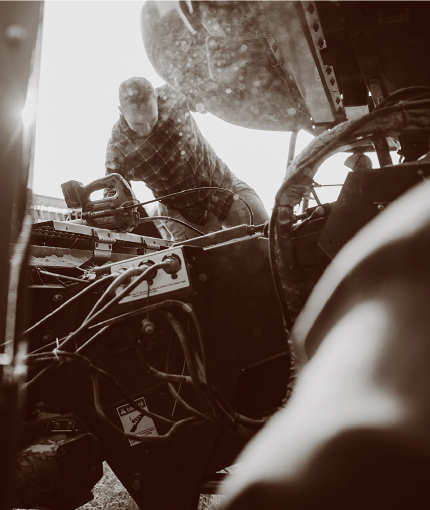
Lasco’s founder heard about Olson’s success, and within a few months, Olson became a Lasco dealer-distributor. In the early 2000s, he went on to acquire the rights to the company. The latest model, the Lightning Weeder LW-10, incorporates advancements and improvements in the technology that Olson and his team have developed. Improvements include, new electronic control of voltage and current, HMI (touch screen) for ease of operation, front or rear mount applicator bar, castering coulters for ease of following planter, larger drive line for high horse power tractors, precise, and sustainable alternative to chemicals and herbicides.
Olson and his wife, Linda, have a shared commitment to regenerative farming and environmental stewardship. LASCO is powered by science, guided by integrity, and driven by a belief that innovation can protect both yield, the Earth and all who tend it and benefit from healthier crops.