
A Growing Challenge in Weed Control
For many growers, weed control isn’t getting easier—it’s getting more complicated. Fields that were once manageable with a standard spray program are now requiring multiple passes, tighter timing, and more cost, with results that don’t always hold. While new chemical solutions may extend the lifecycle of weed control tools, they don’t fundamentally change the cycle of resistance farmers are now confronting.
Looking Beyond Chemistry
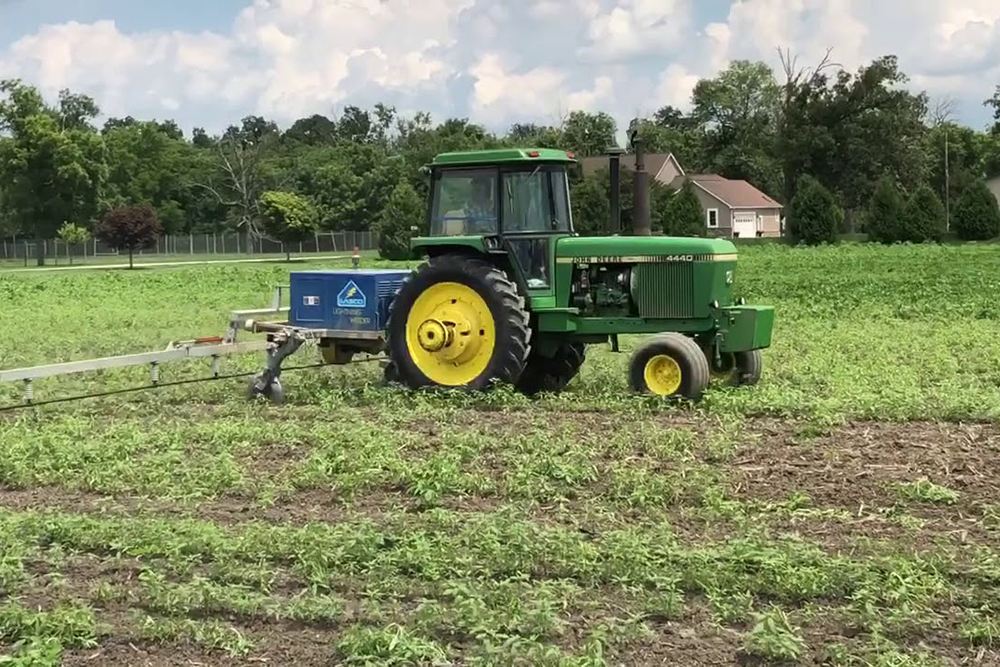
As a result, more growers are beginning to look at additional approaches that can work alongside existing programs. One option gaining attention is electric weed control. At LASCO, the Lightning Weeder system uses targeted electrical discharge to move through the plant’s internal water channels and into the root structure, disrupting the weed from the inside out—without chemical application or soil disturbance.
Because the process relies on physical energy rather than chemistry, it does not contribute to resistance buildup. At the same time, it offers a way to reduce reliance on repeated herbicide applications while preserving soil biology and field conditions.
From Single Solutions to Integrated Weed Management
As input costs rise and herbicide performance becomes less predictable, the path forward for many farms may not come from a single new product, but from combining multiple tools. Integrating non-chemical technologies like electric weed control into existing practices is one way growers are beginning to rethink long-term weed management.
Shifting Focus: From Broad-Acre to Precision Specialty Crops
Most electric weed control systems to date have largely focused on broad-acre row crop operations, while attention is now beginning to shift toward specialty crop environments where precision, maneuverability, and equipment size play a critical role. Crops such as blueberries, vineyards, orchards, and vegetables are typically managed with smaller tractors and tighter field spacing, creating a different set of operational requirements.
As interest in alternative weed control methods expands into these environments, equipment is evolving to better match the needs of specialty crop growers.
California Field Demonstrations
As part of this effort, LASCO is working alongside California growers to introduce a compact version of its Lightning Weeder system designed for specialty crops, including blueberries, vineyards, and other row-grown produce. Built to operate with smaller tractors in the ~45 horsepower range, the unit is being adapted for conditions where tighter spacing and maneuverability are essential.
Field demonstrations and small grower meetups planned for May in regions such as Tulare and Marysville will give farmers the opportunity to see the system in real working conditions. These sessions are intended to help growers understand how electric weed control can fit into everyday field operations, while also providing valuable feedback to support continued refinement of the system for precision farming environments
A Broader Shift in Agriculture
Interest in alternative weed management strategies continues to grow, driven not only by resistance concerns but also by rising input costs, regulatory considerations, and the need for more diversified approaches within integrated weed management programs. At the same time, agriculture is seeing a broader shift toward electrification, with new technologies exploring how energy-based systems can complement traditional field practices.
Looking Ahead
For specialty crop growers, the ability to integrate new tools without significantly altering existing operations remains a key consideration. As compact electric weed control systems continue to be developed through field demonstrations and grower collaboration, they may offer a practical addition to the evolving set of options available for managing weeds in modern agriculture.
To support adoption during the growing season, LASCO is offering free setup and delivery for new systems through June 15.